What Should You Wear on a South Coast Tour?
Dress for spray, wind and fast-changing weather, and the whole day gets better.
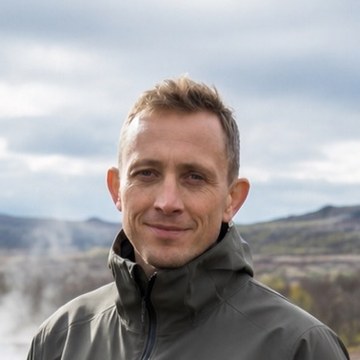 Written with Björn Einarsson, Iceland South Coast tour guide and local specialist
Short answer
Wear waterproofs and sturdy shoes whatever the forecast says, because you get spray at both waterfalls, hard wind at the black beach, and weather that turns fast. A rain jacket, warm layers, a hat and gloves cover most days. Waterproof trousers and grippy hiking shoes are the difference between a great day and a wet, cold one.
Before you read on
Pack for the stops and the tour handles the rest: the booking area at the end has the day tour's dates plus the two add-ons that supply their own technical kit. See the booking options ↓
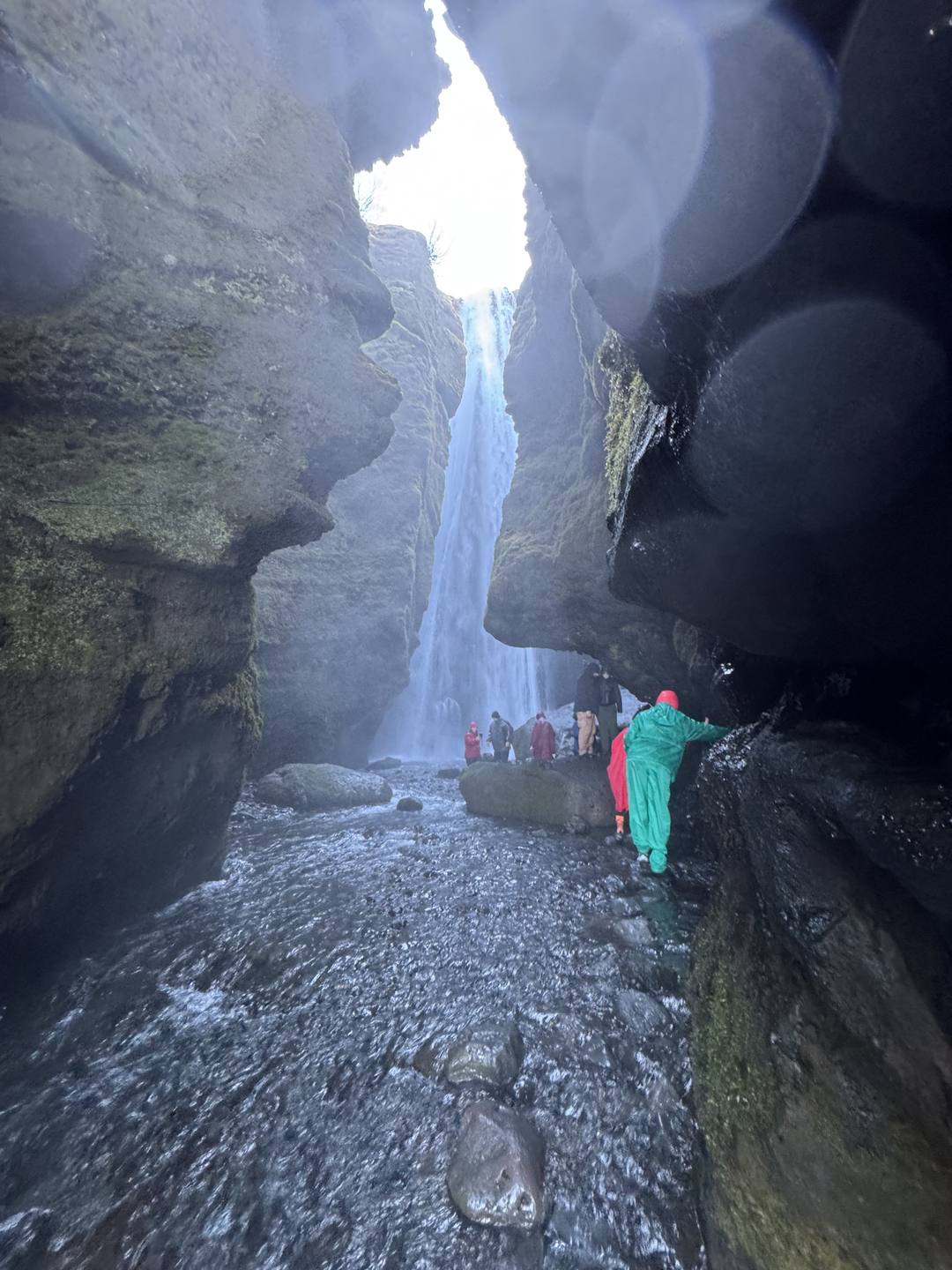
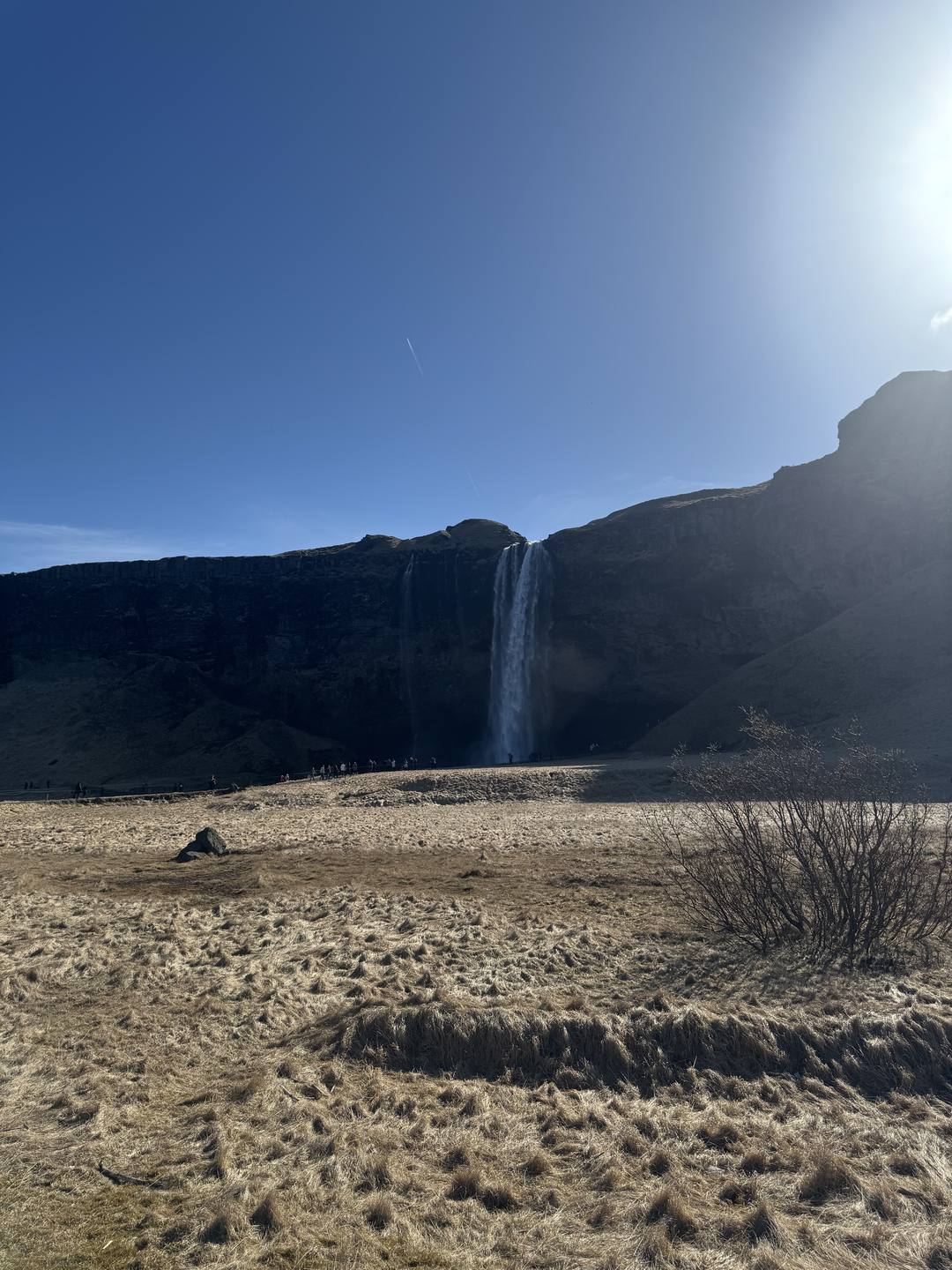
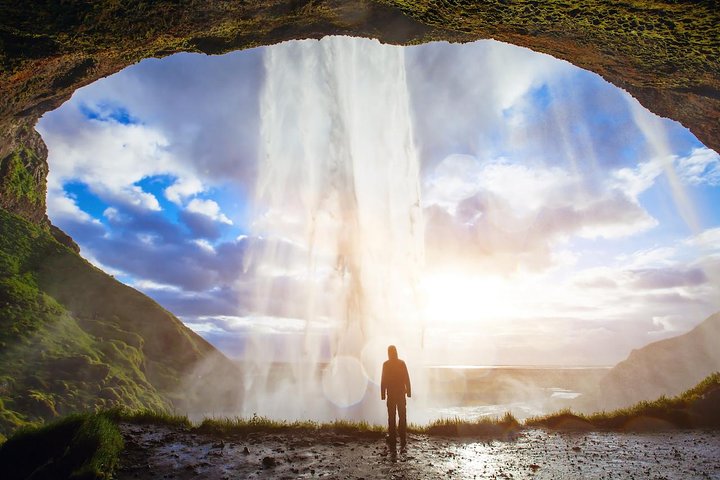
The first waterfall on this route soaks you before you know it. At Seljalandsfoss there is a footpath that loops right behind the falling water, and the spray drifts sideways onto the trail long before you reach the curtain. People arrive in a nice wool sweater, walk the path, and come back looking like they fell in a river. So the honest starting point for what to wear here is simple: dress for water, not for the temperature on your phone.
Why the weather rules the packing list
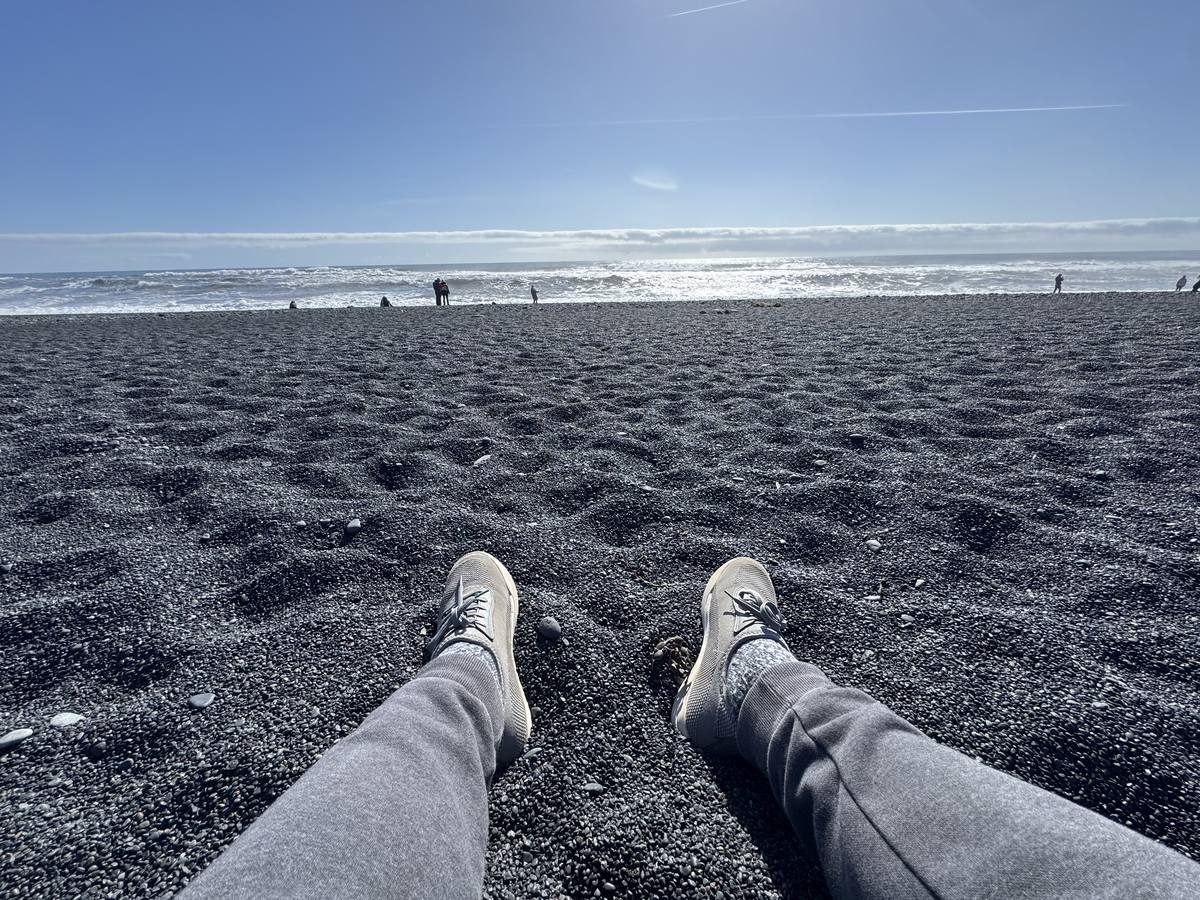
The South Coast throws three things at you in one day. Spray at Seljalandsfoss and Skógafoss. Wind that comes straight off the North Atlantic at Reynisfjara, the black-sand beach, where there is nothing between you and the sea. And weather that flips from sun to sideways rain inside an hour, which is normal here, not bad luck. I have guided this stretch since 2022, and the travelers who enjoy it most are almost always the ones who packed like it might pour, then got lucky. The ones who suffer packed for the forecast.
You are also outside in short, sharp bursts rather than all day. The tour runs about ten hours, roughly five of them driving, so you step out into the elements, get cold or wet, then warm up on a heated minibus. That rhythm is kind. It also means you want layers you can throw on and peel off fast, not one big coat you are stuck with.
Layer by layer, from the skin out
Start with a base layer that is not cotton. Merino or a synthetic long-sleeve top holds warmth even when it gets damp, and something will get damp. Cotton soaks and stays cold.
Over that, a warm mid-layer: a fleece or a light down or synthetic puffer. This is your main heat, and you will take it on and off between stops. Bring one that packs small.
Then the piece most people underestimate, a proper waterproof shell jacket. Not water-resistant, not a fashion parka, an actual rain shell with a hood. And here is the part travelers skip and regret: waterproof trousers too. The path behind Seljalandsfoss will wet you from the waist down if the wind is up, and waterproof over-trousers you can pull on in ten seconds keep the whole day comfortable. I wrote more about that spray and the hidden second fall next door in this piece on walking behind Seljalandsfoss and Gljúfrabúi, and the short version is: the people in rain trousers were grinning.
A warm hat and gloves belong in your bag even in July. Summer here is cool and windy, not warm, and at the beach or a glacier viewpoint your hands go numb quickly. They weigh nothing. Pack them.
Shoes matter more than you think
Wear waterproof hiking shoes or boots with real grip. The basalt at Reynisfjara gets wet and slick, the paths around the falls are muddy and puddled, and smooth-soled trainers slide. Grippy soles are also a safety thing on that beach, where you want to stay steady and well back from the water. Reynisfjara has genuine sneaker waves that rush far up the sand without warning, and sure footing helps you move quickly if you need to; I cover the full picture in is Reynisfjara safe. Skip white canvas shoes and anything you mind getting muddy.
Summer versus winter
In summer, June through August, the layers above are plenty. Long daylight, cool air, a lot of wind. You are dressing against wet and wind, not deep cold.
Winter is a different animal. Add a genuinely warm insulated coat, thermal leggings under your trousers, and think about traction. Ice forms on the paths and viewpoints, and a pair of strap-on microspikes over your boots turns a treacherous walk into an easy one. Days are short and roads can be snowy, so warmth and grip both go up a level. If a winter trip is on your mind, read the South Coast in winter before you pack.
The kit list is the same every month: pick a date from the year-round calendar
Scheduled departure dates from the operator's Viator calendar. Availability for your date and the final price are confirmed on the listing.
Check Live Availability & Prices →The departure calendar could not load just now. Check dates and prices directly on the listing:
Check Dates & Prices on Viator →What not to bother with
Leave the umbrella at home, the wind will destroy it. Skip jeans, they soak and stay cold for hours. You do not need heavy mountaineering boots or crampons unless you have booked a separate guided glacier ice-walk, which comes with certified gear anyway. And do not overpack for the vehicle; you want a small daypack, not a suitcase, at your feet.
A quick packing checklist
| Item | Why |
|---|---|
| Non-cotton base layer | Stays warm when damp |
| Fleece or light puffer | Main warmth, packs small |
| Waterproof shell jacket + trousers | Spray at the falls, rain any time |
| Warm hat and gloves | Wind and cold hands, even in summer |
| Waterproof hiking shoes with grip | Wet basalt, muddy paths, safety |
| Microspikes (winter) | Ice on paths and viewpoints |
| Small daypack, water, snacks | Easy in and out at each stop |
Dressed like this, the forecast stops mattering, and that is the whole point. A rainy day at these waterfalls is still magnificent when you are warm and dry inside your shell. If you are ready to go, you can check the live dates and price on the operator's Viator listing, then just pack the bag above. You can also read the full stop-by-stop rundown on the South Coast full-day minibus tour page.
What should you wear by season?
In summer, layer a non-cotton base, a fleece or light puffer, and a waterproof shell with a hat and gloves. In spring and autumn, add thermal leggings and a warmer mid-layer. In winter, add a proper insulated coat and microspikes for ice. The waterproof shell and grippy shoes stay on the list every month.
The South Coast never really gets warm, so the change across the year is about how much insulation you stack under the same waterproof outer, not about swapping to lighter clothes. Even a bright July morning at Reynisfjara can feel raw once the wind lifts off the water. What shifts is the cold underneath: summer asks mostly for wind protection, the shoulder months add a real chill, and winter brings ice on every path and viewpoint.
Here is the season-by-season version, built on the same core kit described above:
| Season | Layers | Add |
|---|---|---|
| Summer (June to August) | Non-cotton base, fleece or light puffer, waterproof shell and trousers | Hat and gloves for the beach wind |
| Spring and autumn (April, May, September, October) | Warmer mid-layer, thermal leggings under trousers | Buff or neck gaiter, spare gloves |
| Winter (November to March) | Insulated coat, thermal base top and leggings, waterproof shell over the lot | Microspikes for ice, warm socks, a thermos |
The one constant is the waterproof shell and grippy shoes. Those two do not come off the list in any month, because the spray at the falls and the wet basalt at the beach are there in August just as they are in January. If winter is your season, the South Coast in winter guide goes deeper on daylight and road conditions. And if you are still weighing this trip against the Golden Circle, the comparison page sets the two routes side by side.
Which shoes actually work on the South Coast?
Waterproof hiking shoes or boots with a deep, grippy sole are the right answer. The basalt at Reynisfjara turns slick when wet, the paths around the falls stay muddy and puddled, and smooth soles slide. Leave canvas trainers and anything you mind ruining at the hotel. In winter, add strap-on microspikes.
Footwear is the one thing people get wrong most often, and it costs them the whole day. Wet feet at the first waterfall means cold feet for the next nine hours, because you are in and out of the vehicle rather than walking hard enough to warm them back up. So the goal is simple: keep water out, and keep your feet under you on slick ground.
A few common types and how they hold up:
| Footwear | Grip | Waterproof | Verdict |
|---|---|---|---|
| Waterproof hiking boots | Excellent | Yes | Best all-round choice |
| Waterproof low hiking shoes | Very good | Yes | Fine in summer, less ankle support |
| Trail runners (non-waterproof) | Good | No | Feet get wet at the falls |
| Canvas trainers or fashion sneakers | Poor | No | Slip on wet basalt, avoid |
| Wellington boots | Low on wet rock | Yes | Dry but skittish on the basalt |
Ankle support helps on the uneven ground below Skógafoss and on the beach, but grip and waterproofing matter more than height. If you have booked a separate glacier ice-walk, you do not need special boots of your own: the operator straps crampons over sturdy footwear and pairs you with a certified guide, so ordinary hiking boots are all you carry. You can check the tour and its dates here if a walk on Sólheimajökull appeals. On the beach itself, grip is a safety point as much as a comfort one, which the Reynisfjara safety guide covers in full.
What goes in the full day-pack checklist?
Pack a small daypack you keep at your feet: waterproof shell and trousers, a warm mid-layer, hat and gloves, water and snacks, a charged phone, and any medication. Add microspikes and a thermos in winter. Skip the umbrella and the suitcase. Everything should pull on or off in seconds between stops.
Because the day runs in short bursts outside a heated minibus, the bag that works is small and fast to open, not a big pack you dig through. You want the shell and gloves reachable the moment you step out at a windy viewpoint. Below is the full list, sorted by how essential each item is.
| Item | Why | Essential? |
|---|---|---|
| Waterproof shell jacket | Spray at both falls, rain any time | Yes |
| Waterproof over-trousers | Wet from the waist down behind Seljalandsfoss | Yes |
| Warm mid-layer (fleece or puffer) | Main heat between stops | Yes |
| Hat and gloves | Beach wind numbs hands even in summer | Yes |
| Waterproof grippy shoes | Slick basalt and muddy paths | Yes |
| Water and snacks | Long day, limited shop stops | Yes |
| Charged phone or camera | Photos, and the beach warning lights | Recommended |
| Small daypack | Fast in and out at each stop | Recommended |
| Microspikes | Ice on winter paths | Winter only |
| Thermos of something hot | Warm-up on cold days | Nice to have |
| Umbrella | The wind destroys it | Leave at home |
Keep the whole thing to a daypack. A suitcase at your feet on the minibus just gets in the way, and there is nowhere useful to store it during the drive. For the full stop-by-stop picture of where you actually get out and walk, the South Coast full-day minibus tour page has the running order.
Do I really need waterproof trousers, or is a jacket enough?
Bring the trousers. The footpath behind Seljalandsfoss throws spray sideways, and on a windy day a jacket alone leaves you wet from the waist down for the rest of the trip. Waterproof over-trousers pull on in seconds and keep you comfortable all day.
What should I wear in summer?
Summer here is cool and windy, not warm. A non-cotton base layer, a fleece or light puffer, a waterproof shell, and a hat and gloves cover most days. You are dressing against wet and wind rather than deep cold.
Are trainers or sneakers okay?
Only if they grip and you don't mind them getting muddy. Waterproof hiking shoes are far better: the basalt at Reynisfjara is slick when wet, the paths around the falls are puddled, and sure footing is a safety point at the beach.
Do I need special gear for the glacier?
Not for the standard tour. The Sólheimajökull stop is a viewpoint, so ordinary warm, waterproof layers are fine. Actual ice-walks on the glacier are a separate add-on and come with crampons and a certified guide, so you don't bring your own.
What about winter?
Add a warm insulated coat, thermal leggings, and strap-on microspikes for icy paths and viewpoints. Days are short and cold, so warmth and grip both matter more than in summer.
Booking
Dressed Right? Book The Date
Iceland South Coast Full Day Small-Group Tour
★ 4.8 · 6,610 Viator reviews · Your Day Tours
Dressed from the list above, you are ready for the featured day: the same waterproofs at the falls, the wind at the beach and the heated minibus between them.
- About 10 hours
- Max 19
- Free cancellation up to 24 hours before
Check Live Availability & Prices on Viator →
Affiliate link: if you book through it we may earn a commission at no extra cost to you. How this works.
Not sure which option fits? Answer 3 quick questions
General guidance, no answers needed: the featured small-group day fits most first visits to the South Coast. Pick a month and your priorities for a tailored pick, and confirm dates and restrictions on the listing.
Compare the other options (2)
Each is a separate Viator or Expedia booking, not part of the featured day tour.
Sólheimajökull Small-Group Glacier Hike — Crampons, helmet and a certified guide on the lower tongue of the glacier the day tour only views. ★ 4.8 · 565 Viator reviews · 3-4 hours
Katla Ice Cave Under the Volcano, from Vík — Super-jeep from Vík up under Mýrdalsjökull into the ice cave beneath the Katla volcano. ★ 4.7 · 1,193 Viator reviews · From Vík
Kit sorted? Check the dates for your month next, then pack: the tour runs year-round, and your date decides whether the spikes come too.
Pick your date
Scheduled departure dates from the operator's Viator calendar. Availability for your date and the final price are confirmed on the listing.
Check Live Availability & Prices →The departure calendar could not load just now. Check dates and prices directly on the listing:
Check Dates & Prices on Viator →